• In the midst of winter

    Camus wrote that in the midst of winter, he found within himself an invincible summer.

    ​My winter began years ago, when a failed surgery left me with a spine that would no longer support me. I found myself living with chronic pain and a disability that became a harsh teacher, stripping away the humble privilege of sitting, a reality almost unimaginable in a world that takes the chair for granted. It transformed the architecture of my days, compelling me to eat and work laying down or reclined, unable to find refuge in standing still, for that too became a painful impossibility. It placed the biking I loved so much into the distance of memory.
    ​It drew a quiet perimeter around my life, distilling my social circle down to its essence. With energy now a finite vessel, I became the careful guardian of my own strength, facing the daily silent and dificult choice of where to pour it.

    ​Yet, it was within this contraction that the summer began to rise. The thread of meditation and the seeking of Dharma, present throughout my life, deepened when faced with the existential need to redefine myself in a different reality. I learned that pain naturally gravitates the consciousness toward the negative. But through silence and reflection, I found the way to stay on track, to witness these mental storms without drowning in them, and to see the darker thoughts for what they truly are, mere mind games. In this steady gazing, the “winter” of the body was warmed by the clarity of the mind.

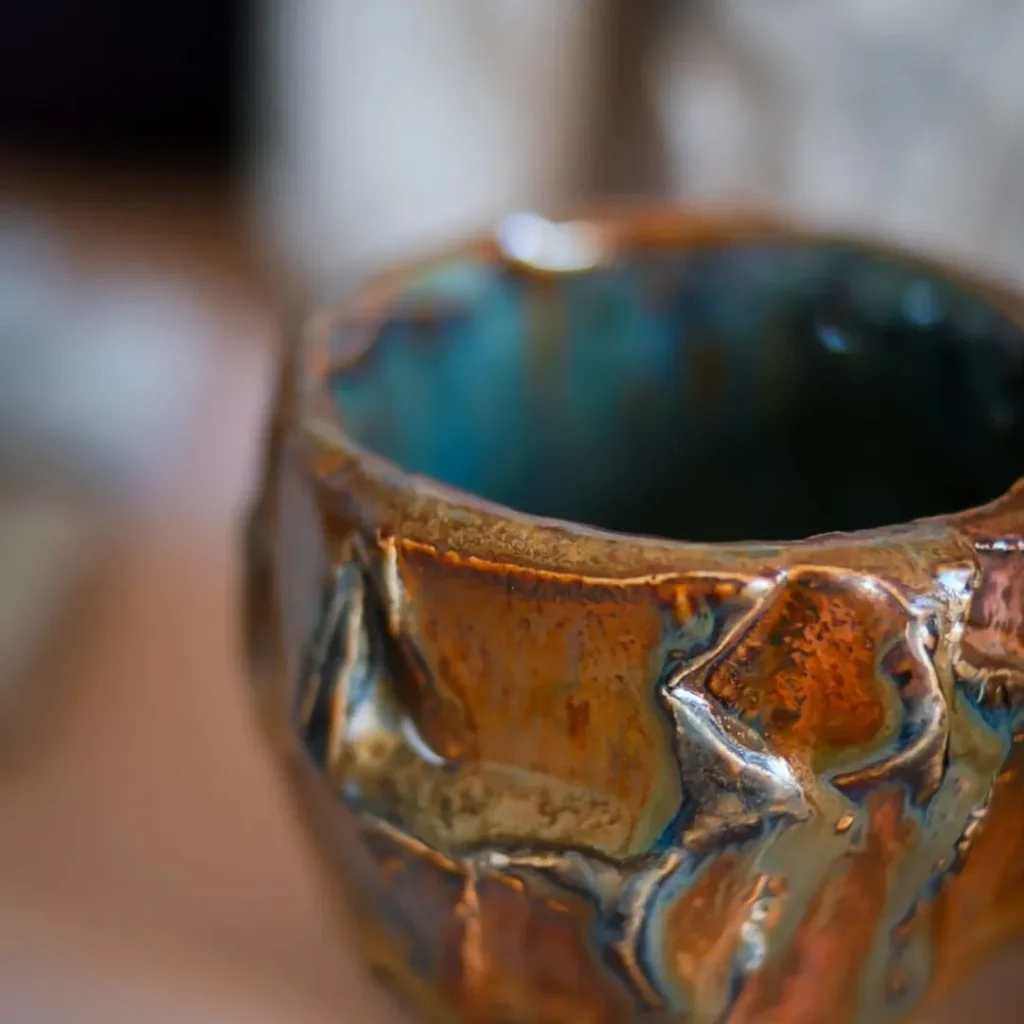
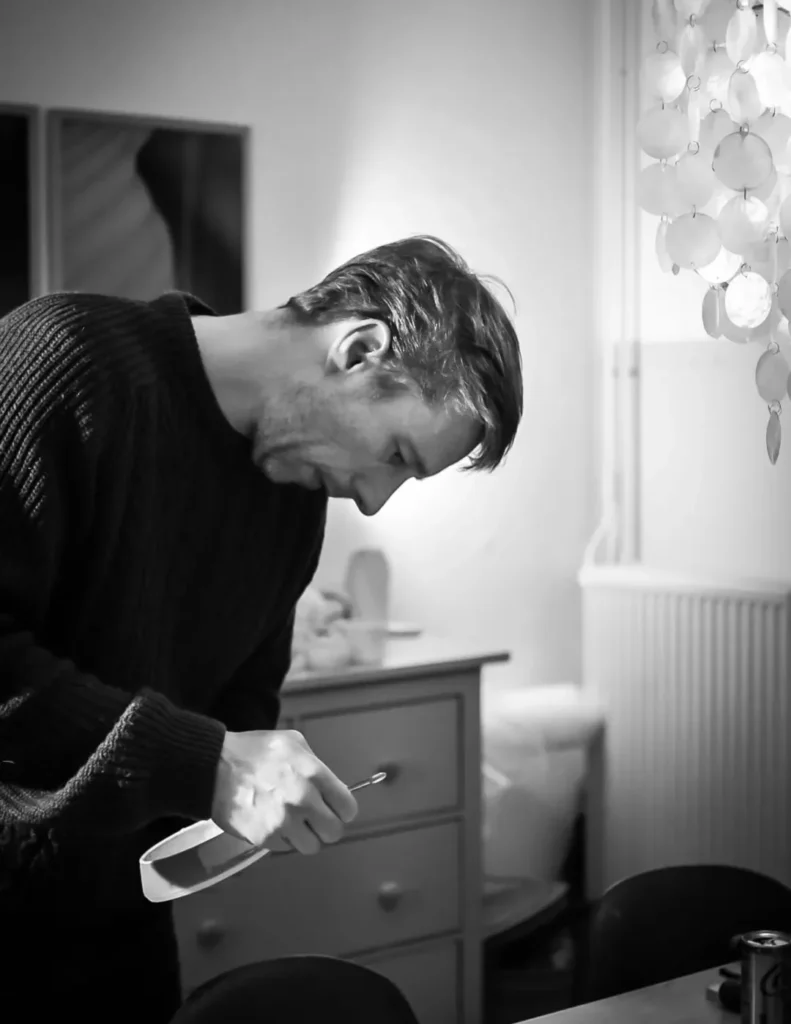
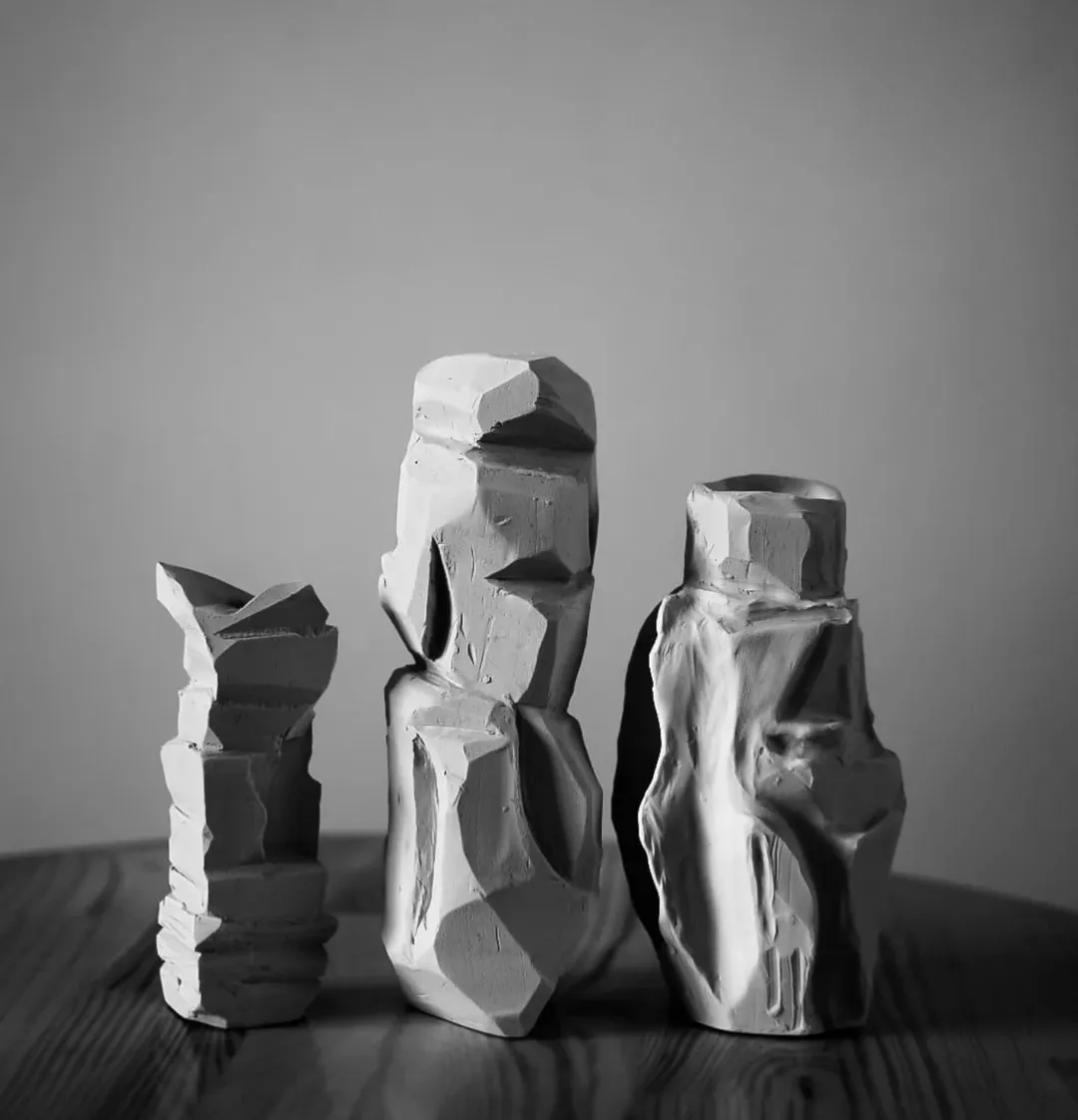
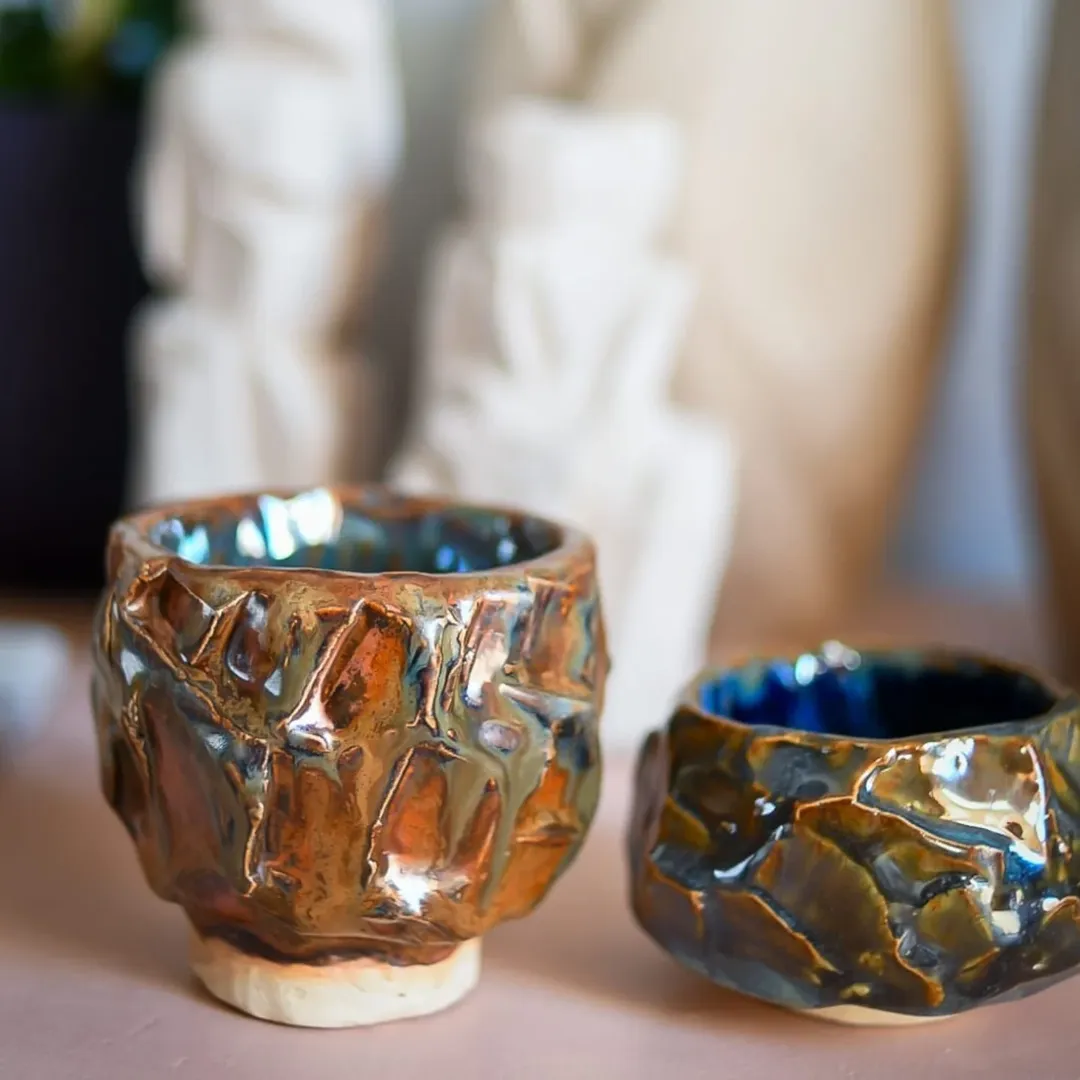
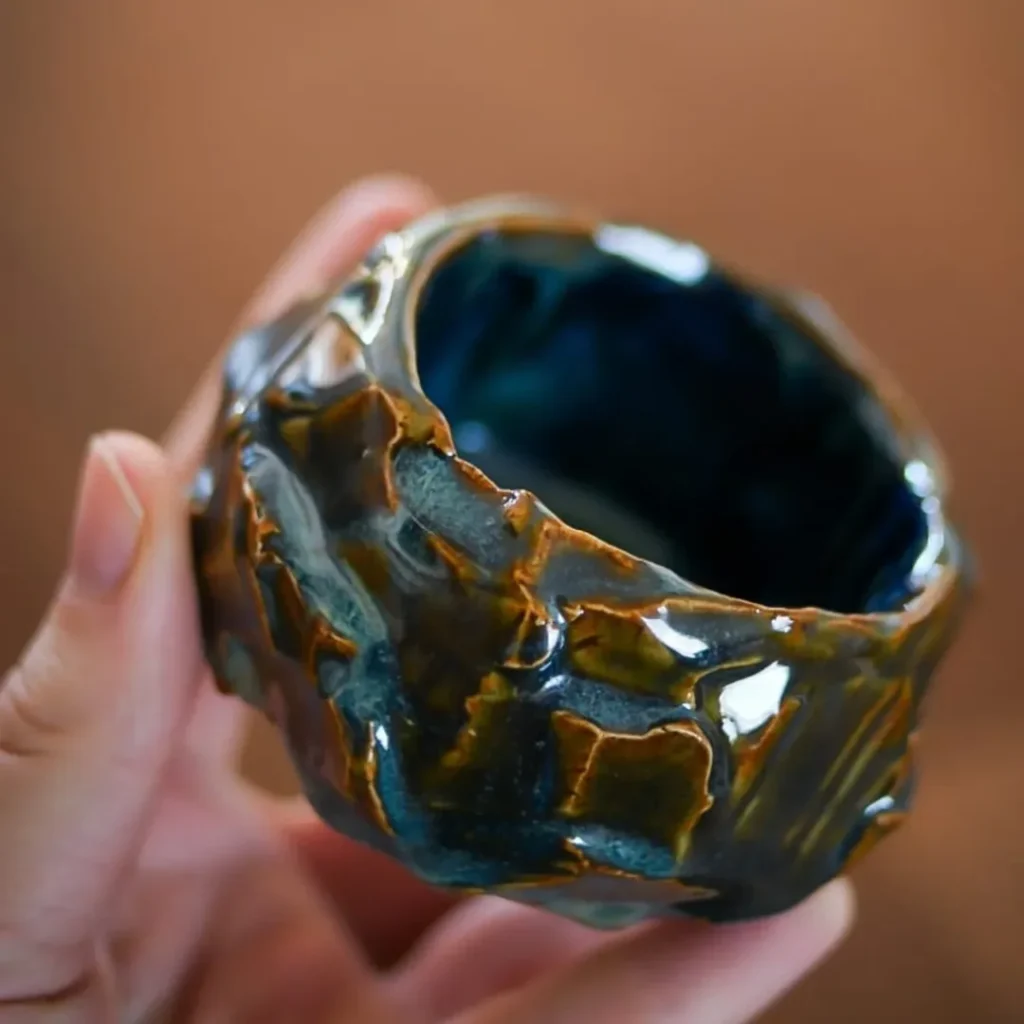
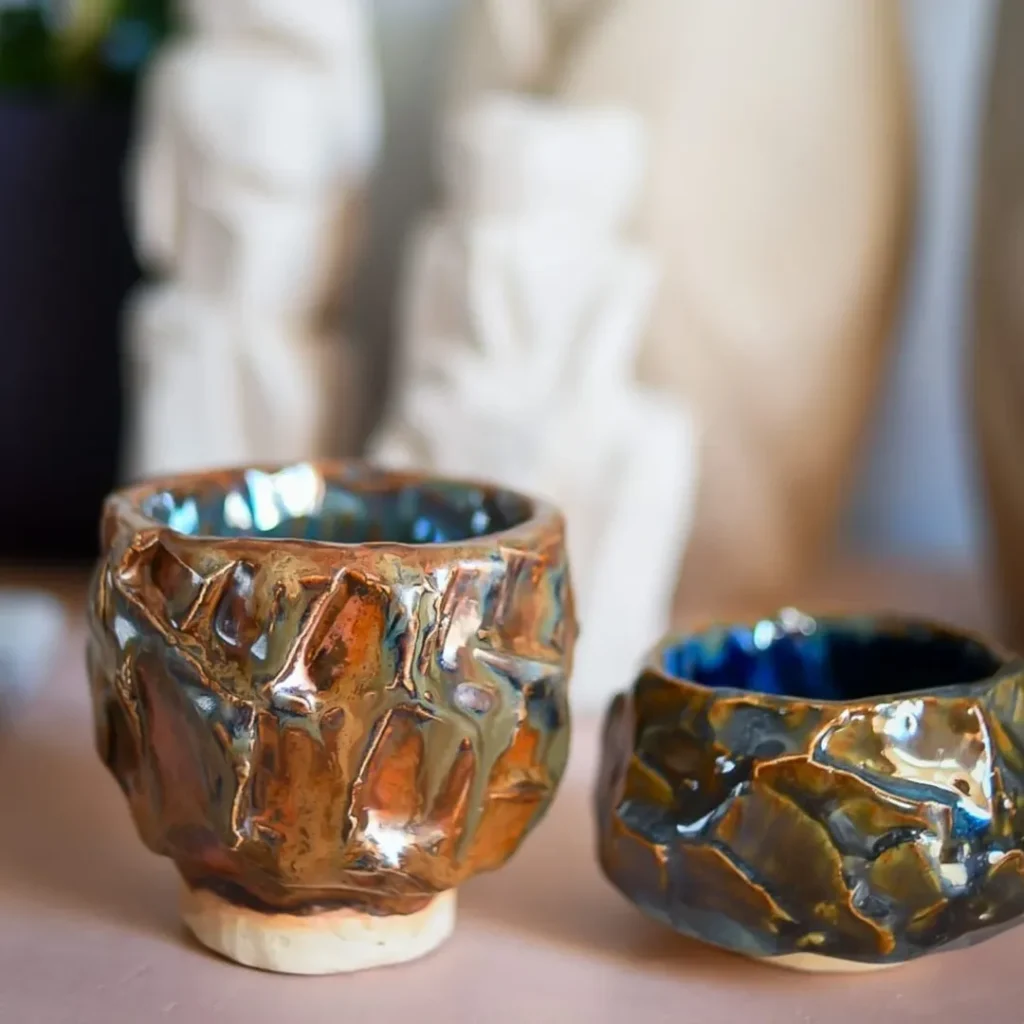
    ​My endeavor into ceramics is an exploration of that navigation. It embodies a mind seeking “Dharma”, truth, within the limitations of the body.

    ​I owe a debt of gratitude to @steffievandenakkerkeramiek , whose artistic spirit sparked the final realization that this internal light, this “raw silence” I cultivated in meditation, could be formed with hands. She taught me that we can reflect our deepest path into the mud of the earth.

    ​Whether this exploration is brief or endless, I leave to the mystery. The destination does not matter. The truth is found only in the walking. Here, we push the stone, and we imagine ourselves happy.
  • The eyes of the other

    Looking through the eyes of the other is a conscious and intentional practice. It requires a quiet turning of the heart that does not always come easily. Others often impinge on our emotions before we have the chance to find our center. When we are weighed down by personal challenges or a simple lack of energy, the capacity to truly see another person and hold their perspective is often gone.

    In these moments we risk entering a tragic dance where two worlds collide. When both people lack the internal space to look through the eyes of the other, the interaction becomes a friction of unmet needs rather than a connection. This is not a lack of love but a momentary lack of capacity. It is a difficult encounter where two people are physically present but unable to bridge the gap between their private worlds.

    Recognizing this limit is a vital signal to treat your own humanness with mildness. If you find you cannot meet the other from a shared perspective, the kindest path is to communicate that truth and step back. You should never punish yourself for having a finite amount of energy. By honoring your own needs and resting your spirit, you eventually restore the internal space required to look through the eyes of the other again.


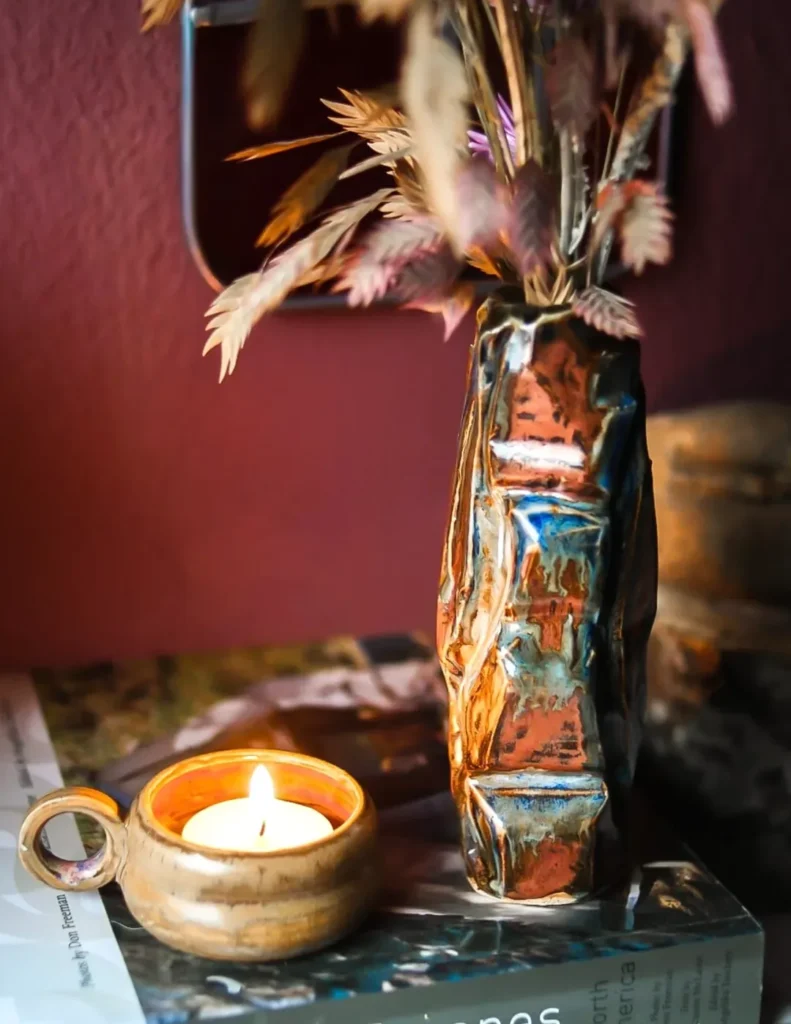
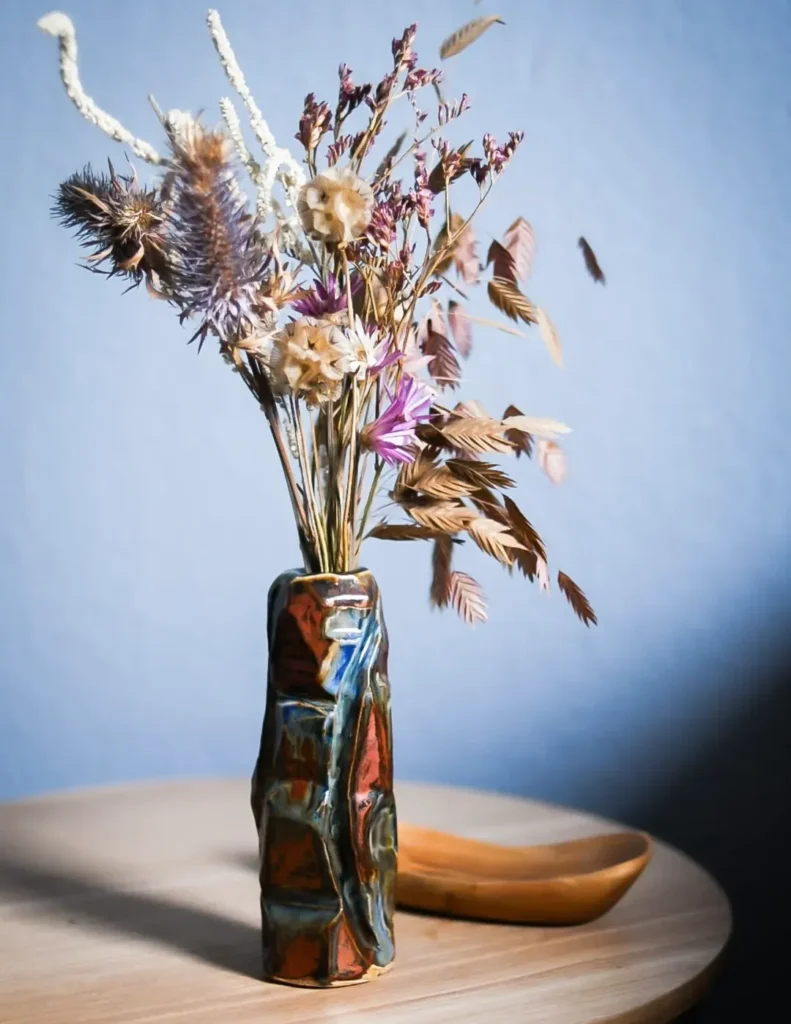
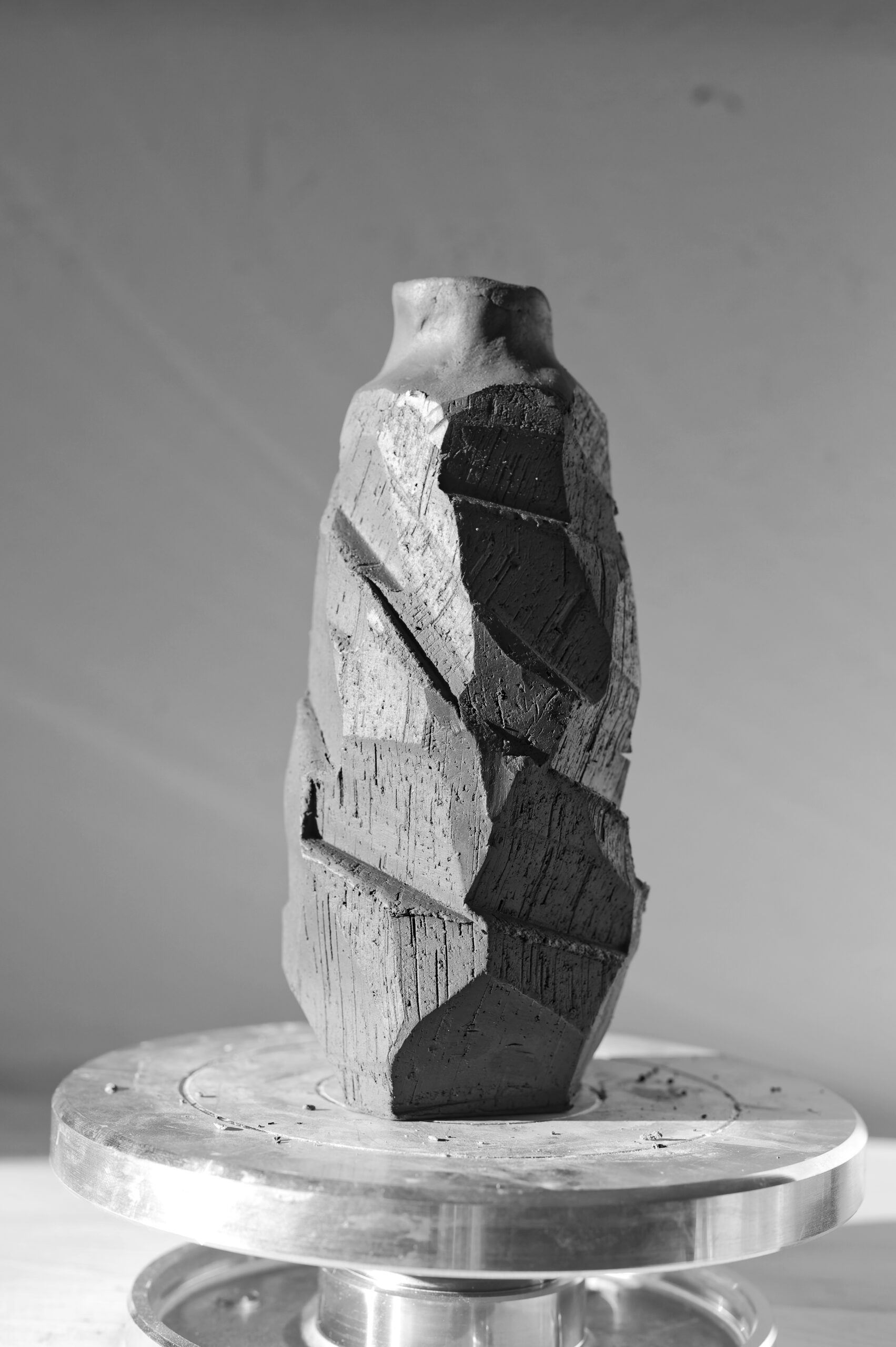
  • I spent time wondering what the things I make are meant to be. I looked for a function like a cup or a vase as if they needed a job to be complete. Then a sunbeam caught the corner of my eye and landed on the clay. That soft light showed me that purpose is not about utility.

    ​This is an ongoing road of doubt and doing where I am still learning to stop predefining a reason for every object.

    Today was just a small realization that happened when the light hit the surface. I am starting to see that the true purpose is not a fixed job but whatever the moment gives to the piece. It is enough just to be there and let the day decide what the work is for.


  • On Compassion

    There is a quiet stillness in a form that knows its own edges, much like the clarity we find when we define our own space. When another person’s behavior triggers a surge of heat or hurt within you, the invitation is to sit with that sharp sensation rather than riding the wave of the emotion.

    By staying intimate with the discomfort instead of reacting to it, you maintain the integrity of your own presence. This careful attention allows you to see the boundary clearly without losing your center to the turbulence of the moment.

    ​Compassion lives in the ability to hold this protective space while keeping the heart open to the shared struggle of being human. You can witness the unrefined edges of another person’s pain without letting their chaos spill into your own interior world.

    This gap between the impact and your response is where your freedom resides, allowing you to acknowledge their difficulty from a place of stability. It ensures that your empathy remains a conscious gift rather than a sacrifice of your own essential peace.

    ​Maintaining this balance is effortful work because it goes against the very nature of the story making mind, which prefers to escape the discomfort of a trigger by spinning a narrative of blame or defense.

    Resisting that habitual pull requires a patient and deliberate returning to the present moment. Yet it is within this labor that boundaries and compassion can truly go hand in hand. By honoring the edges that keep you whole, you create the necessary stability to offer a response that is both firm in its protection and soft in its humanity.


  • On Acceptance

    In the West we are taught to treat the will like a hammer. With enough force any wall can be broken. Determination becomes the highest virtue. Every obstacle is framed as a problem waiting for effort. Where there is a will there is a way.

    ​This belief rests on an assumption that every barrier is a wall. Often it is not. Often it is the terrain itself. Our bodies, neurological wiring, and genetic inheritance are not walls. They are the ground we stand on. Yet we are trained to treat them as temporary obstacles to push through. When terrain is mistaken for a wall, willpower becomes self-sabotage.

    ​Every life reaches a boundary where effort meets the unalterable, where pushing harder no longer moves the landscape. Beyond that point persistence is no longer courage. It becomes a refusal to see where we actually are. We keep trying to climb mountains our bodies cannot climb. We keep wishing for different wiring or capacities. The longing to be different runs deep.

    ​Wisdom begins when the will recalibrates. Instead of trying to break the terrain it learns to move within it. This is not surrender. It is a realignment with reality. It is a shift from a will to power toward a will to presence.

    ​The point is not to stop striving or collapse into passivity. It is to redirect attention. Instead of running in circles looking for fixes, we turn toward what actually exists, the limits and conditions we inhabit. We shift energy from trying to break what cannot be changed to engaging fully with reality. Within that attention we discover new possibilities and renewed capacity for meaningful ambition.

    ​Acceptance is active. It does not erase desire or demand resignation. It asks us to work with what is and cultivate a life aligned with our true capacities. We stop being adversaries to our own existence and begin to inhabit it fully. The ghosts of who we should have been soften and we find strength in who we are now. Life turns inward, revealing depths we could not see while fighting the unchangeable.

    ​Life softens for those who grieve the self they imagined and, through acceptance learn to move with the terrain that is, meeting reality with awareness and intentional presence


  • The mind is extremely well crafted to draw our attention toward the internal building of ghost cities and castles of interweaved stories that bear little reflection of reality.

    ​One notices the contrast so clearly when stepping out of that constructed narrative and into the direct stream of experience. While watching my loved ones enjoy the outdoors from a distance my attention shifted from the noise of thinking to simply attending to the flow of the moment.

    ​I recognized the scene for the warmth it held and stored it into the fabric of my being.


  • When I feel the weight of the world, I return to these lines: “All forms are empty, all forms are gone.”

    ​Singing these words from the Heart Sutra doesn’t make the hard facts of life disappear. The “clay” of my reality is still solid. But it changes my relationship to it.

    ​I stop trying to crush the clay or mold it by force. I just hold it.

    The causes and conditions remain the same, but my ability to meet them with a loving and caring response increases, reminding me that “all form is radiant, all form is love.”


  • The Endless Road

    -Although the road is endless, I vow to walk it to the very end-

    ​In the Zen tradition, this road is endless because it is paved with the very things we try to avoid. The frictions, the weights, and the “winter” of our lives are not obstacles on the road. They are the road.

    ​Walking through them doesn’t change the climate of our circumstances, but it changes how we stand within them. I don’t walk the road to escape the struggle. I walk it to transform my relationship with it by choosing, with every single step, to meet the cold with a bit of internal warmth.

    ​And when that warmth arrives (in whatever form), I greet it with gratitude, knowing that it, too, is not permanent. It can last seconds, minutes, hours, or days.

    During my silent retreats, I observed how often the internal state can change simply because the mind can be an obsessive problem seeker.